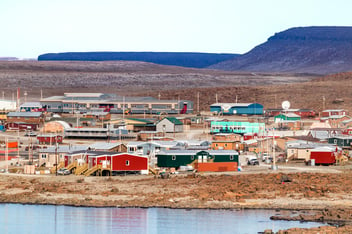
Grays Bay Road and Port

Project Overview
- Location: Grays Bay, Coronation Gulf, Nunavut
- Type: Transportation — road, deepwater port, airfield
- Investment: $1–2 billion CAD
- Proponent: West Kitikmeot Resources Corp. (wholly-owned by the Kitikmeot Inuit Association)
- Status: Proposed; referred to the Major Projects Office, March 2026
- Indigenous involvement: Owned and operated
Executive Summary
Grays Bay is Canada's first serious attempt to give itself an overland route to a deepwater Arctic port. A 230-kilometre all-season road from the Slave Geological Province to a new port and airfield on the Coronation Gulf, with a $1–2 billion price tag and the unusual distinction of being Inuit-owned and Inuit-operated from day one. Referred to the Major Projects Office in March 2026 alongside the broader Arctic corridor, with CanNor funding announced in April for environmental fieldwork, design, and community engagement.
What's being built
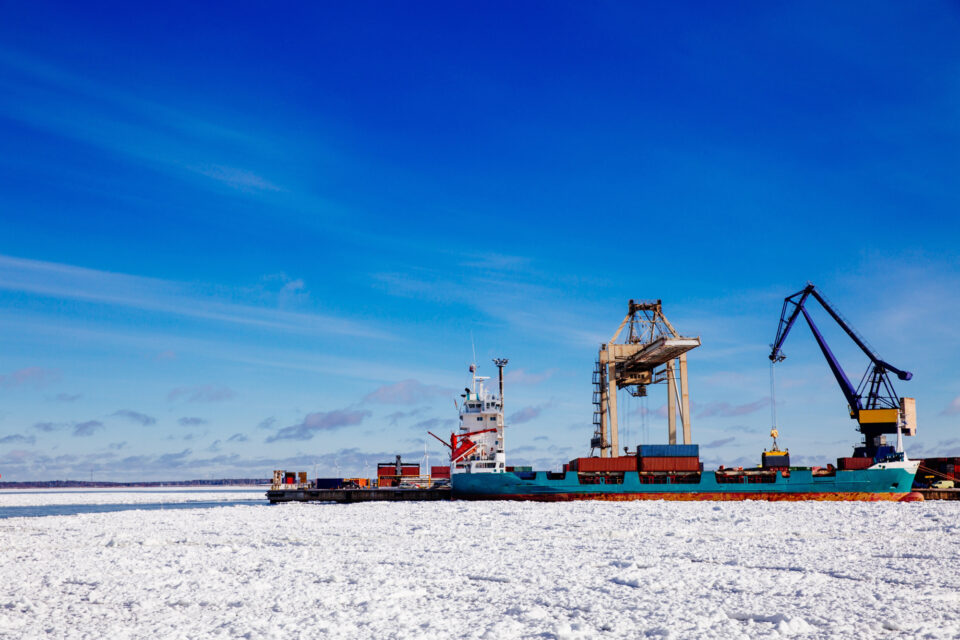
A 230 km gravel all-season road running north from the existing winter road network in the Slave Geological Province to the Arctic coast. A deepwater port at Grays Bay capable of handling bulk export vessels for copper, gold, and zinc concentrate. And a dual-use airstrip designed for both civilian resupply and military use — the same logic that runs through the broader Carney-era Northern package.
The mineral case is straightforward: the Slave Geological Province is one of the most prospective copper, gold, and zinc belts in North America, but it's been held back for decades by the cost and seasonality of moving concentrate to tidewater. Grays Bay solves that problem and, critically, points the export route north to Arctic shipping lanes rather than south through the existing southern road and rail network.
Indigenous context
This is not a project where Indigenous involvement was bolted on after the fact. The Kitikmeot Inuit Association is the proponent through its development arm, West Kitikmeot Resources Corp. The project was designed inside the Inuit governance system and brought to Ottawa, not the other way around.
Why investors should pay attention
Three things line up that rarely line up at once: federal political backing (Major Projects Office referral, CanNor funding), Indigenous ownership of the proponent entity, and a critical-minerals export thesis that maps directly onto US, EU, and UK supply-chain priorities.
---CS.jpg?width=352&name=ENERGY---IQALUIT-HYDROELECTRIC-PROJECT-(NUNAVUT)---CS.jpg)